馃崻
Skip to main content
Acondicionamiento ac煤stico de comedores escolares DEST

The acoustic conditioning of school canteens

By Acoustics, Ac煤stica, Architecture, Arquitectura, Construcci贸n, Construction, Decoraci贸n, Decoration

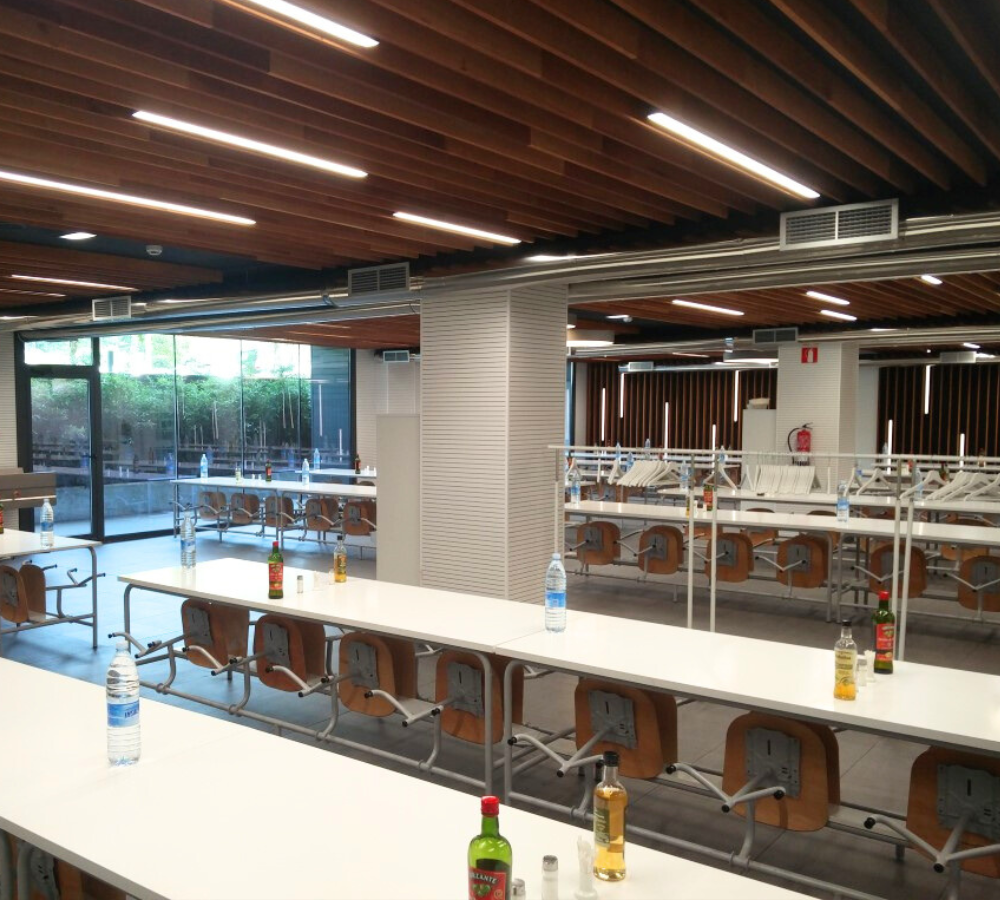
During these summer days, you might visit large restaurant dining areas or dining rooms in swimming pools where the noise bouncing off large glass windows, in the form of reverberation, makes it impossible to speak without shouting to the person next to you. Imagine this all year round in the dining hall of the school where your children study. This is why the acoustic conditioning of school canteens is so important. The acoustic conditioning of school canteens is essential for creating a healthy and productive environment for students. One of the most effective methods to improve acoustics in these spaces is the installation of acoustic panels, designed to absorb sound, reducing echo and ambient noise. High noise levels can cause stress, fatigue, and concentration difficulties, negatively affecting academic performance and behaviour. By reducing noise, acoustic panels create a calmer and more comfortable environment, facilitating better communication and understanding among students. Additionally, if you choose wood acoustic panels, you can add elegance and a natural touch to the design of buildings that typically feature concrete, glass, and brick. If desired, you can even opt for decorative wood panels with coloured finishes or more playful textures. Finally, the acoustic conditioning of school canteens is crucial for safety. In a noisy dining hall, it is harder for students and staff to hear important announcements or alarm signals, which can be critical in emergency situations. Controlling background noise allows for clearer and more effective communication, enhancing responsiveness to any incidents.         . . If you liked this post about acoustic conditioning of school canteens, you may also be interested in:   – Acoustic conditioning for restaurants, bars and cafes, is it really necessary? – Acoustic ceiling tiles, why choose them made of wood? – 6 Reasons to install PET decorative wood slats – Why install wood acoustic ceilings in offices?    
Read More
techos registrables de madera para ayuntamientos dest

What facilities are accommodated by accessible wood ceilings for town halls?

By Acoustics, Architecture, Construction, Decoraci贸n, Decoration

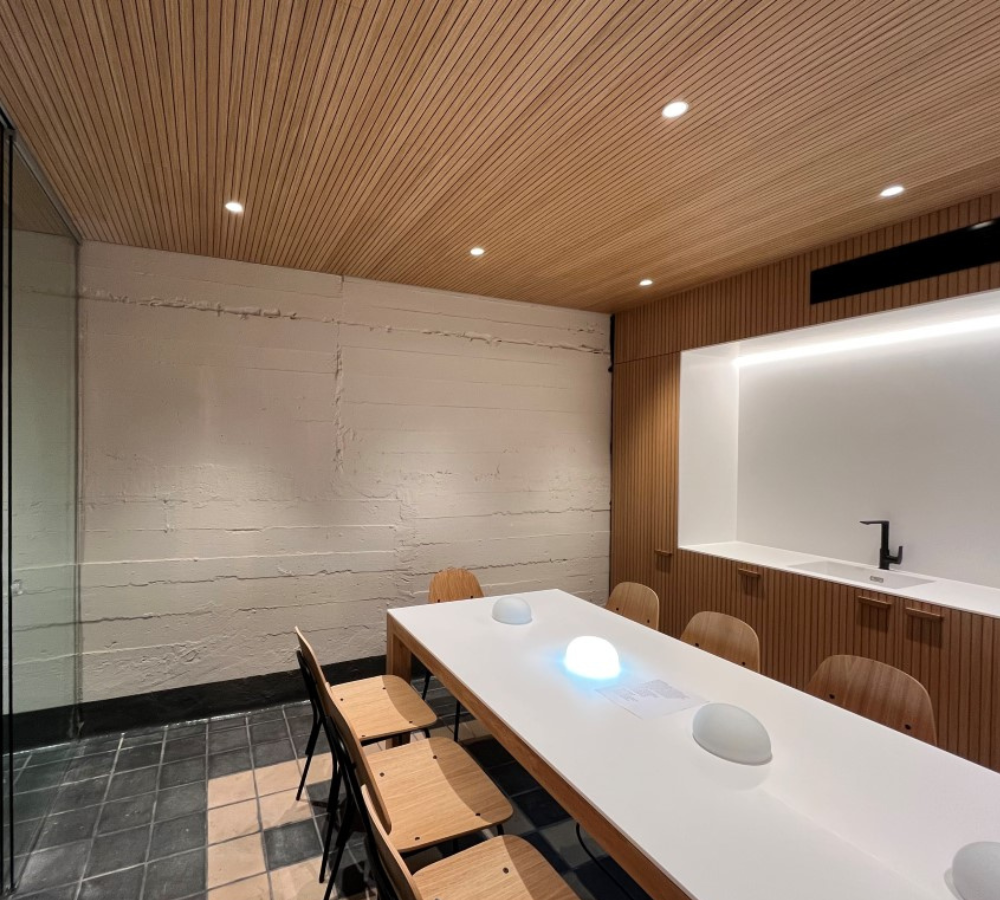
Accessible wood ceilings for town halls are those ceilings that allow the independent, quick and agile installation and disassembly of each panel as many times as desired. This quality is especially useful for integrating and maintaining accessories such as ventilation grilles, fire or security sensors, luminaires, speakers, or to allow access to the plenum. Let’s take a closer look at which facilities can accommodate wooden log roofs for town halls.   Lightning The accessible wood ceilings allow the integration of recessed lights, LED panels and indirect lighting systems, and keep the corresponding tangle of wiring hidden in the plenum.   Air conditioning The ceiling of any municipal room houses air ducts, diffusers and ventilation grilles. The accessible ceilings allow easy access for maintenance and allow all tubes and conduits to be hidden, also in the plenum. This integration capacity helps maintain thermal comfort without compromising the aesthetics of the space.   Acoustics and sound systems The accessible wood ceilings can accommodate speakers, microphones and other components, ensuring uniform sound distribution and facilitating access for adjustments and repairs. Furthermore, if we use wood acoustic panels on the accessible ceiling, this will serve to acoustically condition the room.   Electricity and data Accessible ceilings are perfect for housing, in an orderly, accessible and, above all, concealed manner, both electrical and data wiring and access points to Wi-Fi networks.   Sensors, security and surveillance Surveillance cameras, smoke detectors and alarms can also be easily integrated into accessible wood ceilings. Additionally, many public buildings are adopting sensor and automation systems that control lighting, HVAC and other systems, optimizing energy use and improving building functionality             If you liked this post about accessible wood ceilings for town halls, you may also be interested in:   – 21 Articles on acoustic conditioning and insulation with wood – Ecological panels with SPIGOLINE PET slats: Solid slats or MDF slats? – Restaurant d茅cor: the 3 mistakes you can鈥檛 make in 2024 – The importance of acoustics in coliving or cohousing    

Read More
Acondicionamiento ac煤stico para restaurantes, bares y cafeter铆as DEST

Acoustic conditioning for restaurants, bars and cafes, is it really necessary?

By Acoustics, Architecture, Construction, Decoraci贸n, Decoration

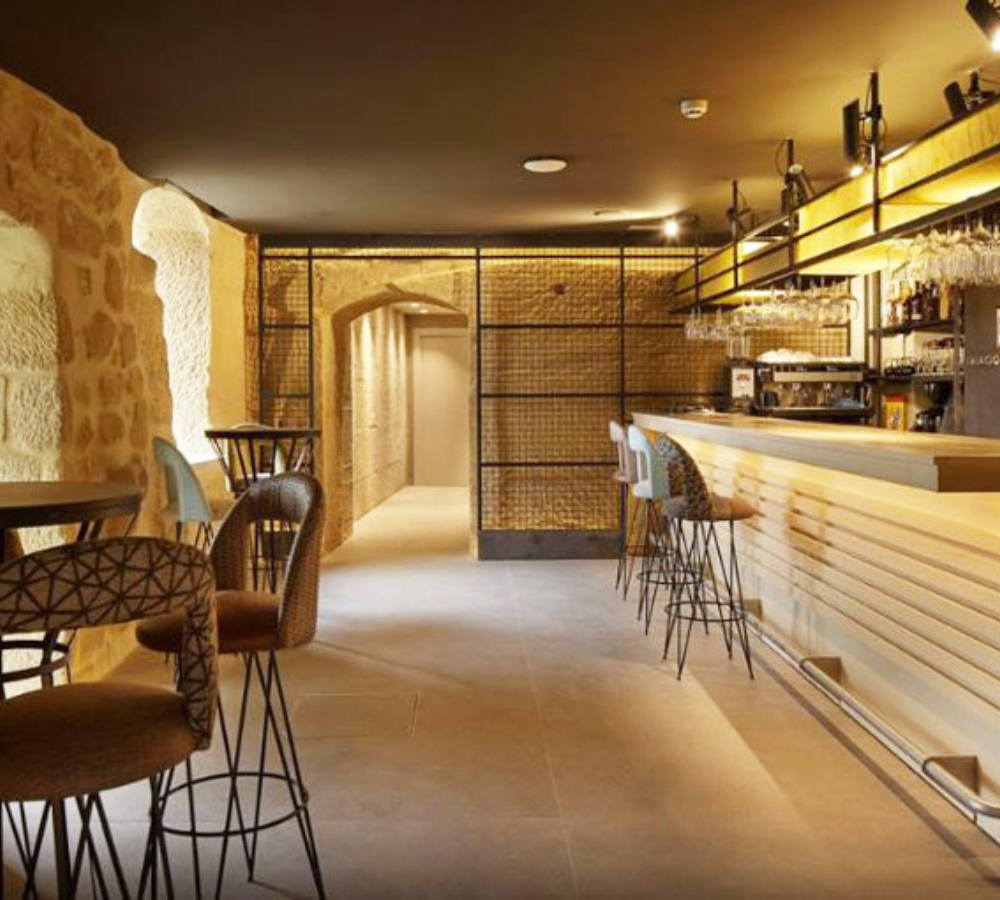
Many hoteliers wonder if acoustic conditioning is really necessary for restaurants, bars and cafes. The answer is that it is essential to achieve the pleasant environments that customers demand. In the world of hospitality, ambient noise can be a silent enemy. Many restaurants face the challenge of managing high levels of background noise that affect the quality of their customers’ experience. This problem usually arises because of reverberation, the phenomenon in which sound reflects off hard surfaces such as walls, ceilings, and floors. The consequence is a noisy environment where conversations become incomprehensible and diners tend to raise their voices, generating even more noise. The solution: acoustic conditioning for restaurants, bars and cafes. First of all, in a hospitality establishment we must differentiate two types of sounds: direct sound, which comes directly from the acoustic source, and reflected sound, which comes from the rebound of sound from walls, floors, ceilings, furniture, etc. It is the latter that causes reverberation and must be controlled to achieve adequate acoustic comfort. Restaurants are particularly susceptible to this acoustic problem due to the variety of noise sources: the bustle of conversations, the movement of chairs and tables, and the operation of machines, among others. All these sounds can become chaos if you do not have suitable acoustic materials that absorb the sound instead of reflecting it. Incorporating acoustic panels or wood acoustic panels, strategically installed on ceilings and walls, can transform the environment. These panels significantly reduce reverberation, allowing conversations to be kept at a comfortable volume and avoiding annoying echo that amplifies ambient noise. Thus, fatigue and stress are reduced in both clients and employees, promoting a more pleasant, healthy and productive workspace.                 If you liked this post about acoustic conditioning for restaurants, you may also be interested in:     – Request a quotation for acoustic panels and wood panelling – Interior design of hotels: the importance of acoustics in hotel reception areas – The importance of meeting lead times for interior design projects – Wood slat acoustic panels for increased acoustic comfort      

Read More
Placas ac煤sticas para techos dest

Acoustic ceiling tiles, why choose them made of wood?

By Acoustics, Architecture, Construction, Decoraci贸n, Decoration

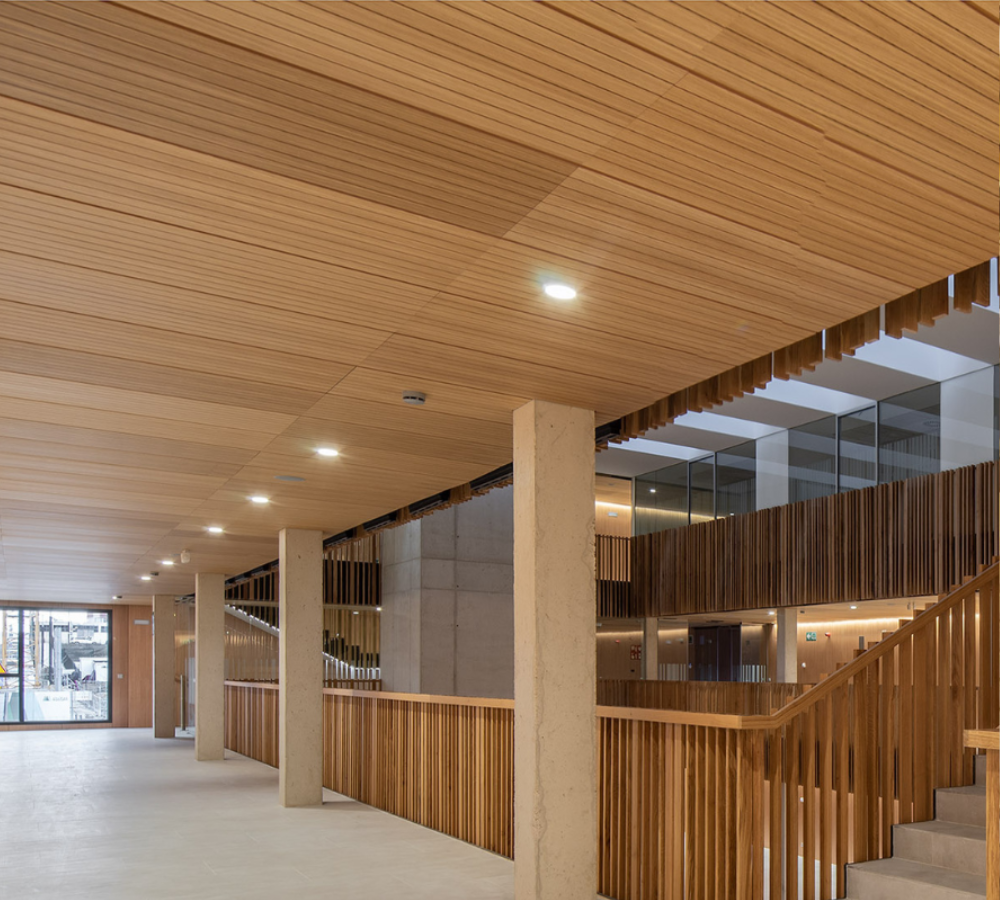
In the search for acoustically pleasant environments, acoustic ceiling tiles have become a widespread solution in both commercial and residential spaces. Of the many materials available, wood acoustic panels stand out not only for their aesthetics but also for their functional advantages. Why should you choose wood acoustic panels for the ceilings of your project? Aesthetics and versatility Wood provides unmatched warmth and elegance. With a wide variety of finishes, tones and textures, wood acoustic tiles integrate perfectly into diverse decorative styles, from rustic to contemporary. This versatility allows them to adapt to both modern offices and cozy dining rooms. Superior acoustic performance In addition to its visual appeal, wood offers excellent acoustic properties. Wood acoustic panels can absorb sound efficiently, helping to control reverberation and improving acoustic comfort in a room. This is especially beneficial in auditoriums, conference rooms and restaurants, where noise control and acoustic conditioning is crucial for the use of the space and the comfort of its users. Sustainability and durability You can opt for wood ceilings from sustainable sources, such as the wood used by Spigogroup in the manufacture of panels and acoustic panels, which have the PEFC and FSC seals, a guarantee of origin from sustainably managed forests. In addition, the durability of wood makes it a long-term investment. Installation and maintenance Acoustic ceiling tiles made of wood are relatively easy to install and maintain. With proper maintenance, these tiles can retain their appearance and functionality for many years. If you liked this post about acoustic ceiling tiles, you may also be interested in: . – Acoustic panels for courts and the importance of acoustics in a judicial process – Performance of flame retardant wood panel cladding when exposed to fire – The acoustics of love and why you should use acoustic panels in your restaurant – What are wood removable ceilings?

Read More