🍪
Skip to main content

How to choose interior doors for schools: 2 projects

By Acoustics, Architecture, Construction, Decoration, Inspiration, News No Comments
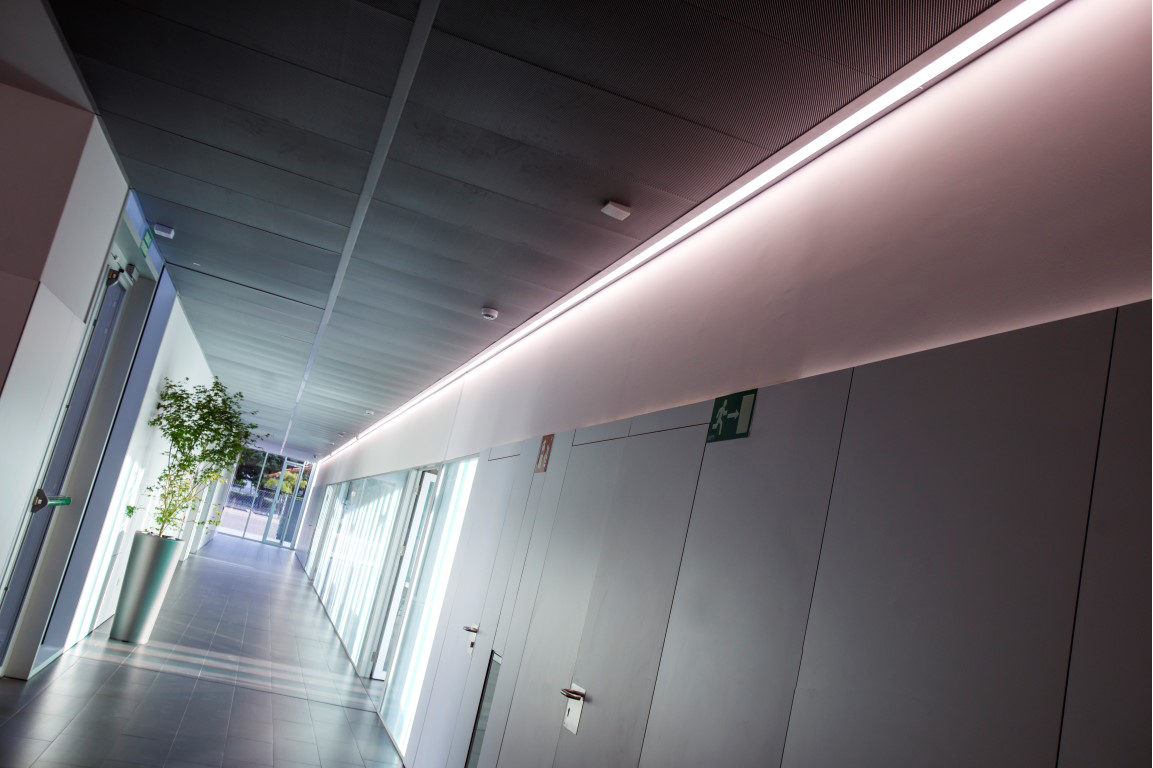
Sometimes, when we talk about interior doors for schools, we are not aware of the different types of doors that one can install and the importance of choosing the right one for decorative as well as technical reasons. Universities, colleges, schools and other educational institutions are facilities which are used by hundreds of people every day. They may have many different technical requirements so there are many different types of technical doors that can be used: acoustic doors, fire doors, special doors, etc. The aesthetic requirements will also be very different, depending on each project. However, what they will have in common is that they are doors used by adults, children, teenagers and young adults. Sometimes they will treat them well, and sometimes not. That is why they have to be resistant. Following are pictures of two projects by Spigodoor, the Spigogroup brand of technical doors, that can guide you on your next project:   Irabia-Izaga School We installed wood doors of the Basic Board series with HPL finish, FR doors of the Fire RF-60 HPL series with a solid edge, doors with a natural varnish oak veneer consisting of a pine door lining and solid exterior doors made of varnished oak.             Logroño University School of Nursing As in the previous case, we took into account the intense daily use that was foreseen for the facilities but, this time, we opted for white phenolic compact for the doors. We manufactured and assembled 50 Spigodoor technical doors finished in compact white phenolic veneer and installed mostly as flush doors, also called integrated doors or invisible doors. There are also FR 60 fire doors, some of which are equipped with hydraulic springs and panic bars.           . If you liked this post about interior doors for schools , you may also be interested in: . - Technical doors – What dimensions should I take to place an order? - Doors for hotels: FR fire doors, acoustic doors and custom wood technical doors - Why use wood acoustic doors on cultural buildings? - Interior door sizes – What are the standard door sizes?    
Read More

Corrugated wood panels: concave or convex

By Acoustics, Architecture, Construction, Decoration, Inspiration, News No Comments
Corrugated wood panels are a very special aesthetic resource that is being used in more and more projects. Their wavy surface serves to give volume and a three-dimensional effect that adds character to walls, ceilings and furniture. Also, by taking into account the acoustics of a space, the volumetric shapes of the corrugated wood panels can offer a reflective and diffusing effect that complements the acoustic conditioning carried out with the usual wood acoustic panels. Spigoplank decorative wood panels, manufactured by Spigogroup, have two models of wood panels with a corrugated surface: the convex, inward curving Spigoplank 03 model and the concave outward curving Spigoplank 04 model. Spigoplank 03 tiles have a standard length of 1,500 or 3,000 cm, a width of 121 cm, a thickness of 20 cm and the corrugations have a diameter of 6 cm (see data sheet). Spigoplank 04 tiles have a standard length of 1,500 cm, a width of 73 cm, a thickness of 15 cm and the corrugations have a diameter of 11 cm (see data sheet). In both cases they are offered in a very light and stable obeche wood or samba wood finish in creamy white or pale yellowish white. You can also choose obeche wood with beech, oak, cherry, maple or wenge stain, or lacquered in RAL/NCR colourse. The installation system, which is very simple, is carried out by fixing the panels on spikes that are nailed to a strip fixed to the wall. . . .   If you liked this post about corrugated wood panels, you may also be interested in: . - Spigoplank decorative wood cladding - Installing decorative panels with Spigoplank - 5 occasions when Spigoplank is your wood panelling of choice - 4 options of wood panels for interior walls Which would you choose?    
Read More

Why has the price of wood risen so much? 6 reasons and 3 consequences – Part 2

By Acoustics, Architecture, Construction, Decoration, News No Comments
- CONTINUATION OF POST Why has the price of wood risen so much? 6 reasons and 3 consequences - Part 1 -   4. Sawmills are not producing enough wood In the aftermath of the pandemic, sawmills have had trouble increasing their production capacity fast enough to meet increased demand for two reasons: labour shortages and lack of timber due to the consequences of climate change.   5. More demand and less supply for Scandinavian timber The United States buys timber from Scandinavia. In 2021 this import of Nordic timber by the USA will have to grow by 15% to meet demand. But China also buys this wood and is demanding more and more of it. The result is that Scandinavian sawmills are at their lowest stock levels in 20 years.   6. Delays and increased transportation costs. The transport of timber, like that of other goods, has been adversely affected by the problems of container manufacturing in the wake of the pandemic and the hoarding of containers by Chinese ports. The price of renting a container for export now costs up to 4 times more than it did in 2019.     3 consequences of the increase in the price of wood   1. Wood strip, slat, panel and cladding prices are also going up The direct consequence of this situation is the price increase of wood in all its formats, especially those intended for construction: wood slats, strips, wood cladding, beams, wood acoustic panels, wood ceilings, etc.   2. Rise in house prices This is causing a significant rise in house prices in those markets that use wood the most. For example, it is estimated that in the US housing has become more expensive by an average of $24,000.   3. Increase in prices of other products due to lack of pallets. Another consequence is the possible increase in prices of other products, such as food and pharmaceuticals, due to higher transport costs and delays in supplies caused by the lack of wood pallets.     SOURCES/REFERENCES: ¿Qué está pasando con la madera? Su precio sube un 400% desde el mínimo de 2020 La gran fiebre de la madera: sus precios se han disparado y no hay suficiente para todo el mundo Subida de precios de la madera de importación   . If you liked this post about the price of wood, you may also be interested in: . - 400 posts on architectural acoustics and wood decoration - 25 articles about designing and decorating offices with wood - ACAE PRESTO and FIEBDC acoustic panels catalogue - The 30 articles about false ceilings, acoustic panels and wood decoration that you liked most in 2019
Read More

Why has the price of wood risen so much? 6 reasons and 3 consequences – Part 1

By Acoustics, Architecture, Construction, Decoration, Inspiration, News No Comments
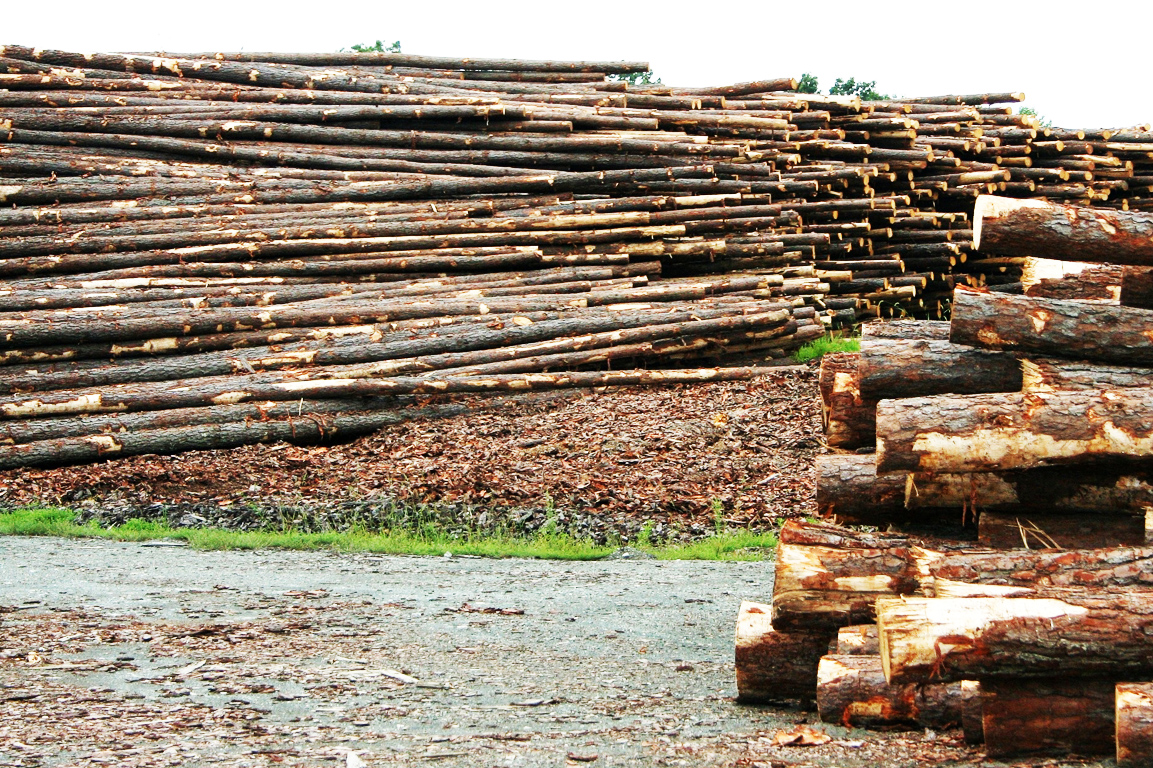
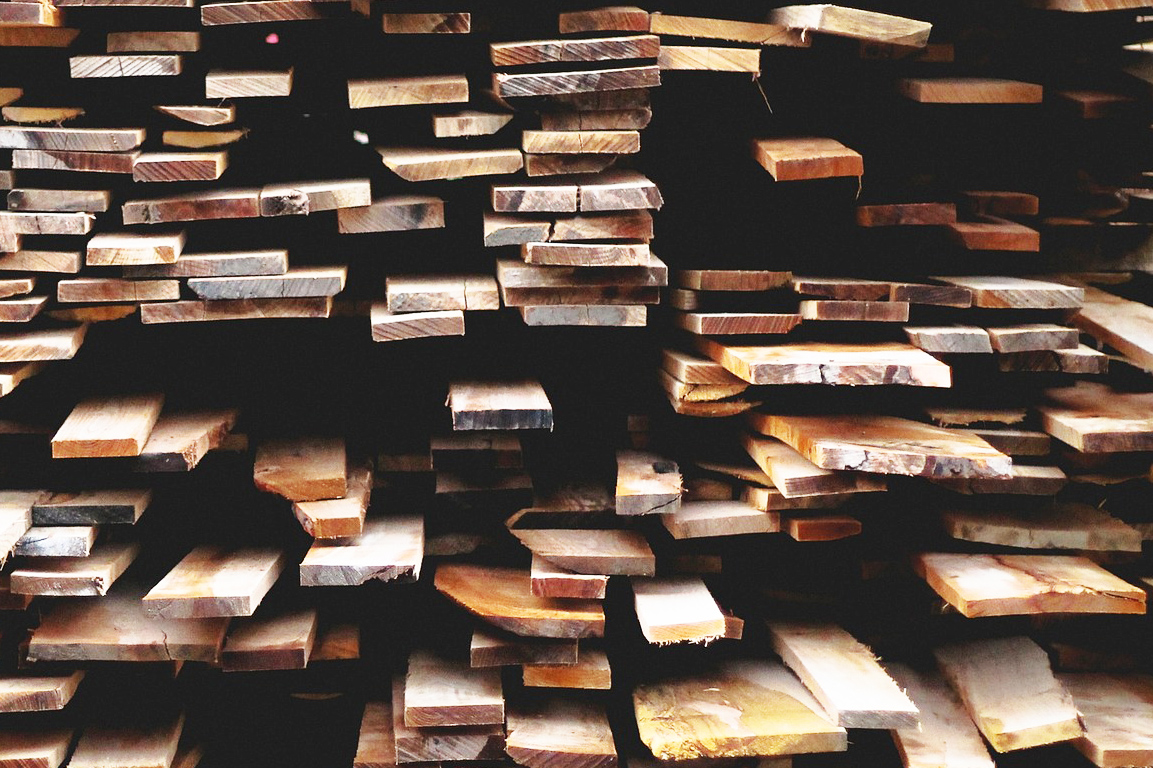
In recent months we have witnessed an unprecedented escalation in the price of timber. This has also happened with other raw materials, but the case of wood is particularly striking because it has seen rises of up to 400% and because it is an incredibly important material for construction and logistics in countries. Currently, the timber futures market is around €1300 for 1,000 ft (304.8 m) of board but, in April it broke through the €1500 barrier. In April last year it was barely over €300.     Here we summarize the 6 causes and 3 consequences of this spectacular rise in the cost of wood.   6 reasons why the price of wood has increased   We are coming from low production levels Prior to the pandemic, the timber market was experiencing weak demand and low prices due to excess inventory and severe weather conditions that led to mill closures and a significant reduction in production. Increased demand in the construction market, particularly in the US In the aftermath of the pandemic, many people, especially Americans, who use wood extensively in construction, want to upgrade or change their homes. This leads to an increase in the demand for new housing and the building materials used (wood panels, wood slats, stc) also in renovations and extensions. Major commitment to the ecological and sustainable The trend towards the ecological and sustainable has been imposed in the construction sector during the year 2020 and wood has been enthroned as the ideal material because it is both highly renewable (PEFC and FSC seals) and easily recyclable.   - TO BE CONTINUED NEXT WEEK -     SOURCES/REFERENCES: ¿Qué está pasando con la madera? Su precio sube un 400% desde el mínimo de 2020 La gran fiebre de la madera: sus precios se han disparado y no hay suficiente para todo el mundo Subida de precios de la madera de importación     . If you liked this post about the price of wood, you may also be interested in: - 12 series and documentaries about architecture, design and decoration you cannot miss - Spigogroup shortens lead times for its Spigoline solid wood slats - Decorating trends for 2021, the year of hope - No, teleworking will not last forever. We will go back to our offices and we have to prepare them
Read More