馃崻
Skip to main content

Acoustic conditioning for videoconferencing rooms, is it necessary?

By Acoustics, Architecture, Construction, Decoration, News No Comments

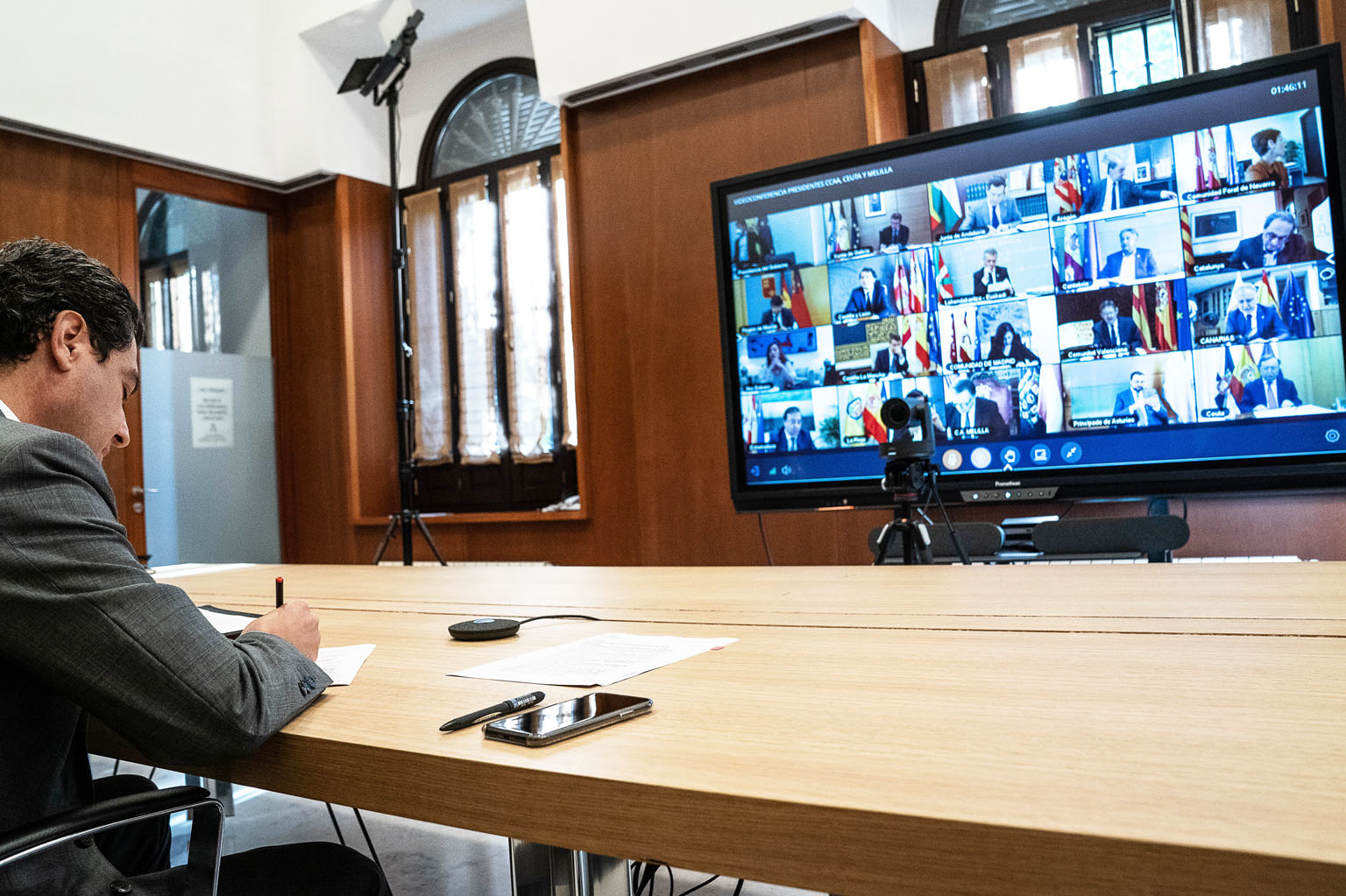
To the question of whether it is necessary to undertake acoustic conditioning work in videoconferencing rooms, the answer is simple: yes. These types of rooms are susceptible to acoustic disturbances typical of offices, meeting rooms and training rooms. Among them, the most common: reverberation. Reverberation is a mismatch in the time that a sound remains in the environment compared to ideal for correctly hearing and understanding a message. Technically, reverberation time is defined as the time it takes for a sound to fall by 60 dB after the source of the sound emission stops. In a room devoted to videoconferencing there are two moments in which a reverberation problem can occur. From the time the sound comes out of the loudspeakers until it reaches the ears of the participants. During time, the sound may be disturbed by interacting with floors, walls, ceilings and other items in the room. Obviously, this is not the case when the audio signal is received via headphones. The other key situation occurs during sound emission, from the time the words are spoken until they reach the microphone. If headset microphones are used, as they are similar to the use of a cell phone, the risk of acoustic problems is greatly reduced, but it is very common to share a microphone with other people in the same room and for it to be one or more feet away from the transmitter. In these cases, reverberation can, once again, produce poor acoustics that prevent the the conversation from being properly understood. The solution lies in carrying put proper acoustic conditioning in the room using sound-absorbent acoustic panels, such as those offered by the Spigotec and Spigoacustic brands. Need more information?   If you liked this post about acoustic conditioning for videoconferencing rooms, you may also be interested in:   – Acoustic conditioning of town halls or council houses – What is the Lombard Effect or Lombard Reflex? – Acoustic panels in hotels, what do they contribute? – Acoustics in schools and speech clarity   Imagen de: Junta de Andaluc铆a, CC BY-SA 2.0, via Wikimedia Commons

Read More

9 decorative wood panel models you will fall in love with

By Architecture, Construction, Decoration, News No Comments

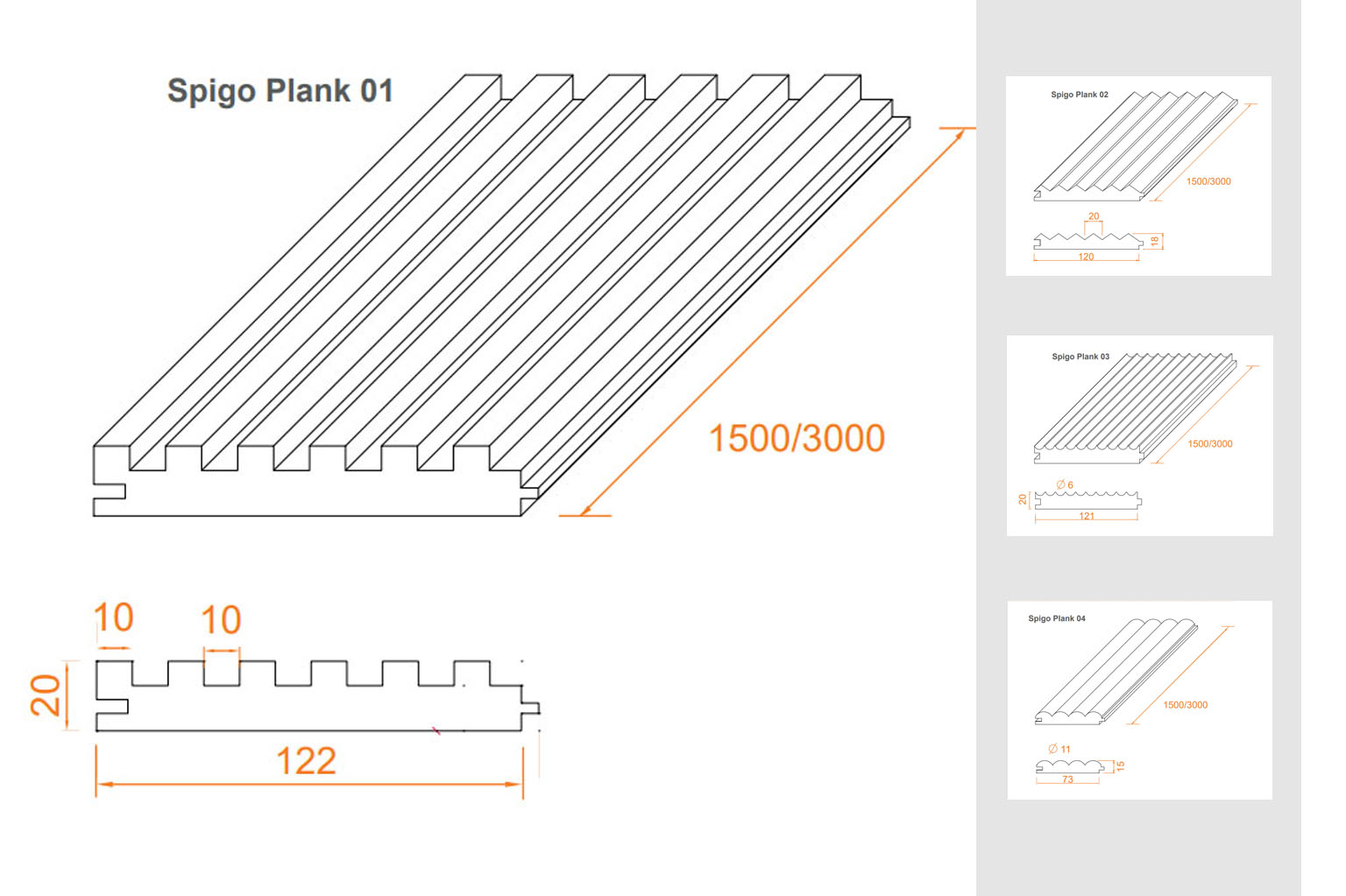
Opting for decorative wood panel models to finish off a new project is a safe bet. Wood, in itself, is a fashionable material, which is very popular and goes well with any other material. In addition to the warmth and elegance it brings to any project, it also offers the added value of being an eco-friendly material. At Spigogroup, we have a wide range of perforated wood acoustic cladding and wood acoustic panels with sound-absorbent features that help control reverberation. You only have to visit the Spigotec and Spigoacustic catalogues to see for yourself. In addition, you can review the options offered by the Acoustic System of the Spigoline solid wood slat cladding range. However, you can also opt for decorative wood panels that are not designed for acoustic absorption but for providing the aesthetic appeal of wood on the surface of walls, ceilings and even furniture. We are talking about the Spigoplank brand of decorative wood panels. Its catalogue has nine models, manufactured in solid obeche wood or samba wood, to which varnish and fireproofing treatments can be applied, and even stained in other wood colours or RAL uni-colour references. These panels feature volumetric shapes and three-dimensional surfaces capable of creating unique solutions with reflective and diffusing effects that complement the overall acoustic conditioning that can be obtained with Spigotec, Spigoacustic or Spigoline brand products.   01 Plank Model     02 Plank Model     03 Plank Model     04 Plank Model     05 Plank Model     06 Plank Model     07 Plank Model     08 Plank Model     Smooth Plank Model   If you liked this post about decorative wood panel models, you may also be interested in:   – Round-hole perforated acoustic panels – Oak finish acoustic panels: 4 examples of their use – Decorating an office with wood: choosing shades and colours – Decorative false ceiling with wood slats: 3 options and installation methods      

Read More

Advantages of MDF in the manufacture of acoustic panels

By Acoustics, Architecture, Construction, Decoration, News No Comments

Acoustic MDF acoustic panels, commonly known as wood acoustic panels, consist of an MDF base that is subsequently modified through drilling and/or grooving, to which a finish and a black sound-absorbent veil are added. MDF or Medium Density Fibreboard offers a number of advantages for the manufacture of acoustic tiles. It has a higher density than traditional chipboard or plywood because it is made from wood fibres and synthetic resins that are compressed with pressure and heated. As they consist of very small wood fibres, almost like dust, MDF panels can be cut, carved or milled as if they were solid wood. They do not produce splinters and do not require any special tools. The surface is very suitable for painting and varnishing. MDF is an excellent substrate for wood veneers due to its uniform surface and its outstanding performance with glues and adhesives. The Spigoacustic and Spigotec acoustic panel catalogues include both standard MDF backing boards and special MDF backing boards with fire retardant treatment to improve their fire performance or with water-repellent treatment to increase their resistance to humidity. As for the available finishes, you can choose melamine (white, stainless steel, maple, beech, oak, pear, cherry or wenge), natural varnished wood (maple, beech, oak or cherry), high density veneering or lacquer in any colour in the RAL, PANTONE and NCS charts. Its acoustic performance depends on the percentage and type of perforation chosen for each project, with a choice of square, slotted/oblong or circular perforations, as well as micro-perforations.   If you liked this post about MDF acoustic panels, you may also be interested in:   – Round-hole perforated acoustic panels – Oak finish acoustic panels: 4 examples of their use – Perforated wood panels that improve acoustics – Corrugated wood panels: concave or convex     聽  

Read More

Anti-pinch doors for schools and kindergartens

By Architecture, Construction, Decoration, News, Uncategorized No Comments

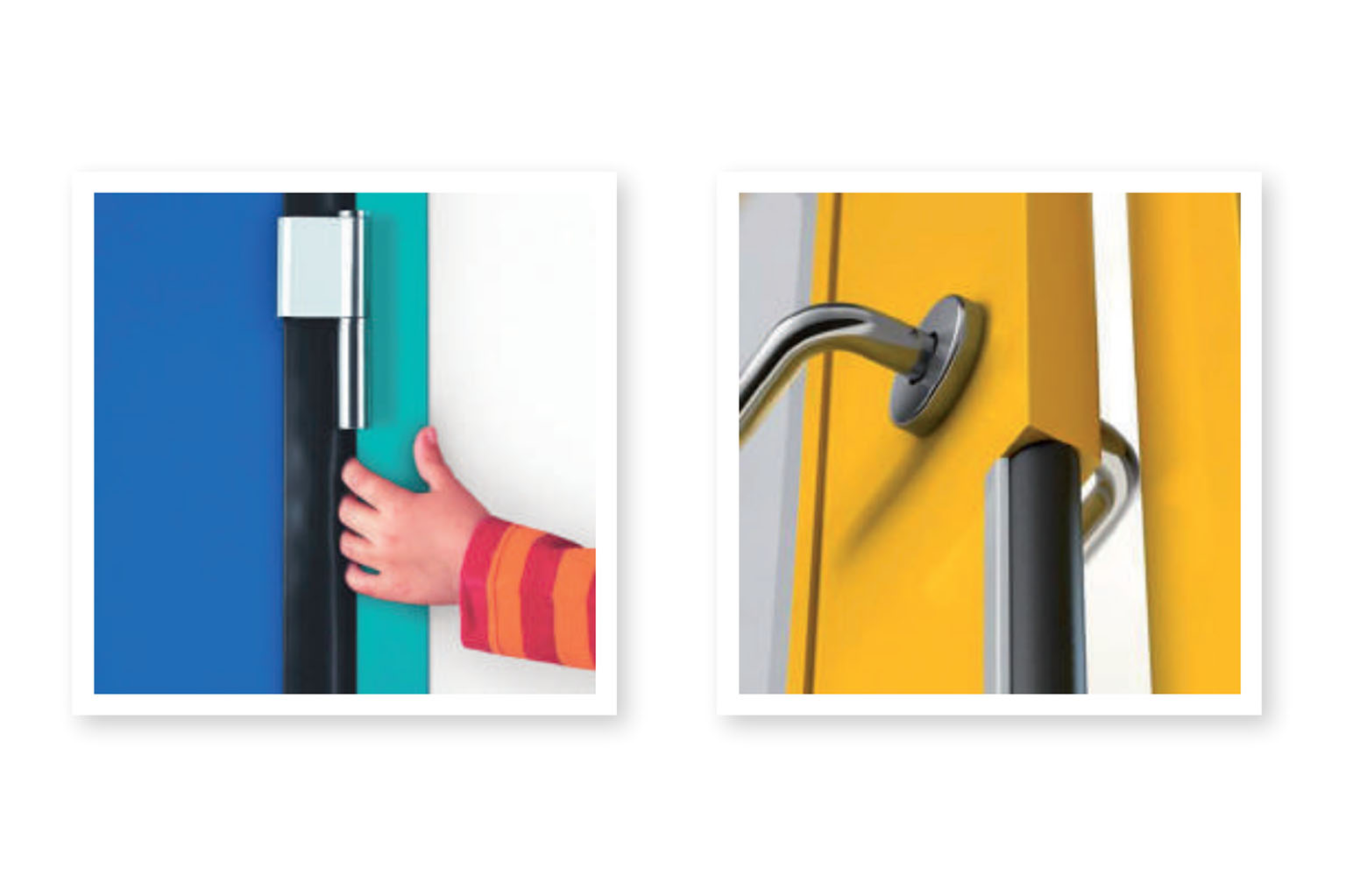
Anti-pinch doors for schools and day care centres are doors that are specially designed to prevent this type of accidents so common among the youngest children. Anti-pinch doors for schools are completely normal doors but with one small difference: from the ground up to an approximate height of 110 cm, they have anti-finger trapping rubber strips on each side; the latch side and the hinge side. The anti-trapping system replaces the part of the doors where fingers get caught with rubber profiles which become deformed when a hand is trapped, thereby avoiding the pressure from the world. These special doors have been and continue to be the salvation for thousands of small children’s fingers that otherwise would have been trapped, by almost completely eliminating the percentage of accidents caused by the interaction of children with doors. Apart from the rubber protection area, these special doors can have the same finish as any of the technical doors of the Spigodoor family. The most popular options include HPL laminate finishes (high pressure phenolic laminate veneers), maple, beech, cherry or oak veneers, or the possibility of lacquering the doors in any of the colours available in the PANTONE, RAL or NCS charts. You can also choose the doors with handing criteria. To define the hand of a door, an established rule in IRAM 11505 Part1 regulation is adopted, where the left hand opens with a counterclockwise rotation聽 movement and right hand opens聽 with clockwise rotation movement.       If you liked this post about anti-pinch doors for schools, you may also be interested in:   Sanitary cubicles for toilets, changing rooms and showers and cleaning and disinfection protocols Acoustics in schools and speech clarity How to choose interior doors for schools: 2 projects Do coloured lacquered technical doors exist? What are the possibilities?      

Read More