🍪
Skip to main content

The role of phenolic cabins for companies in the new health and safety regulations

By Construction, Decoration, News, Spigogroup wood projects No Comments
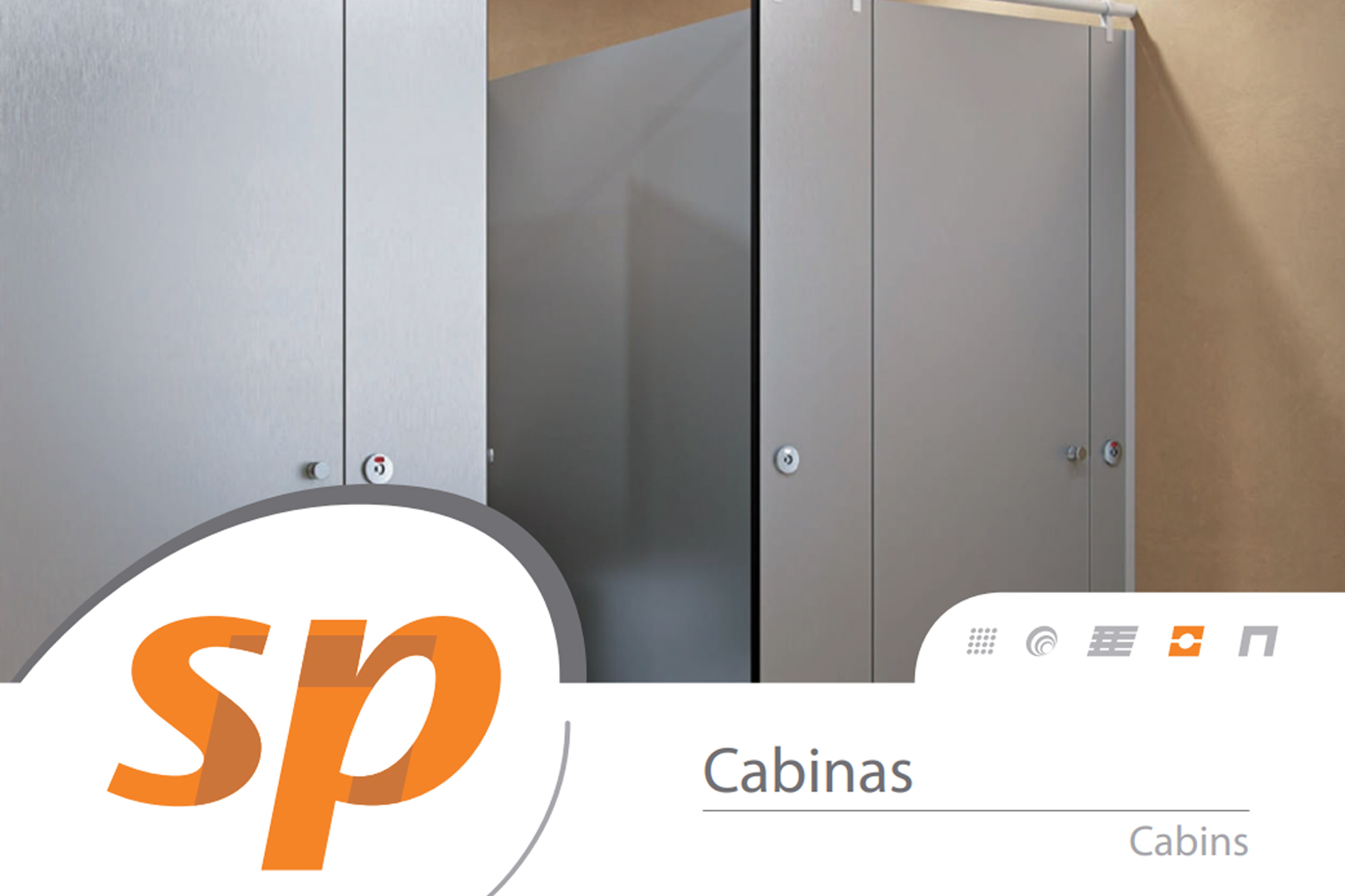
The use of phenolic lockers and phenolic cabins for companies, offices and workplaces makes more sense today than ever before. The new security regulations implemented because of the C0VID-19 pandemic have forced a change of habits in factories, shops and businesses, arranging and restricting access and controlling the objects that employees touch on a daily basis. Therefore, many companies have determined that the changing rooms of their staff should be equipped with hygienic cabins and hygienic lockers that offer each employee a place to change and store their belongings during their shifts independently from those of the rest. These measures help to establish controls on objects arriving from the outside (clothing, personal items, etc.) safeguarding the cleaning operations carried out in the company's own facilities. Phenolic lockers and phenolic cabins are the perfect solution for this new situation, mainly because they are easy to clean and resistant to sanitising products. By far, phenolic furniture is the most resistant to the continuous daily cleaning process required by the new COVID-19 guidelines. The key lies in the phenolic panel used to make it. The non-porous surface of phenolic panel repels dirt and has anti-bacterial and anti-corrosion properties. In addition, this type of furniture is fireproof and highly resistant to both humidity as well as scratches and impacts. Therefore, phenolic lockers and cabins are the ones that least degrade over time, and the best option to face the new hygienic requirements in companies. . . . If you liked this post about phenolic cabins for companies, you may also be interested in: . - For a good cleaning of sports furniture and changing rooms, does it matter what material they are made of? - What do we all expect from the furniture in locker rooms at sports facilities? - Changing room lockers: material combinations and lead times - Flame retardant acoustic panels and their classification according to tests carried out on their supports  
Read More
Wood slat cladding for restaurants: the Kavanova restaurant case

By Architecture, Construction, Decoration, News, Spigogroup wood projects No Comments
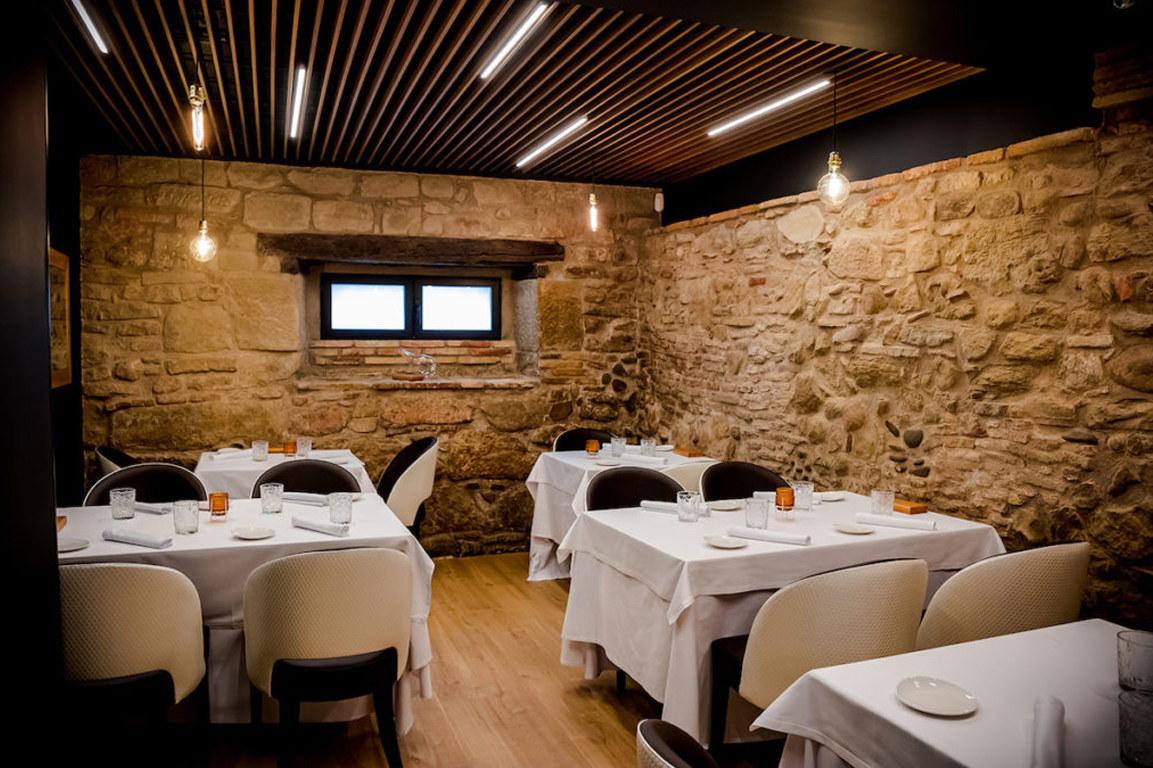
The use of cladding with wood slats for restaurants has become widespread. The first reaction of surprise we felt a few years ago when we entered a dining room and sat under the "rails" of a design ceiling made of wood slats has by now disappeared. We have become used to it. But the sensations of order and spaciousness provided by this type of interior cladding continue to participate in the elegant and modern environments of today's top food temples. Different effects can be achieved depending on the finish (colour or wood) and also depending on the chosen tone. In this case, the new Kavanova restaurant in Logroño had opted for a remodelling of its dining rooms using stone and brick on the walls in order to achieve a rustic, cosy atmosphere in the heart of the capital of La Rioja. But, at the same time, they wanted to offer modern details, in tune with an avant-garde food proposal based on the traditional flavours of Riojan cuisine. They chose to do so with wood, in the form of solid wood slats or strips oak-stained and varnished obeche wood, which convey solidity, quality and elegance. In this case, Spigoline Grid system model 5-15-70-55 was chosen. It features 5 wood slats, 15 mm wide and 70 mm long, and a separation between slats of 55 mm. They were installed on the ceiling by means of T-15 profiles with a "U" shaped fixing clip. As you can see in the following pictures, the final effect of the whole decorative project is extraordinary: .     If you liked this post about wood slats for restaurants, you may also be interested in: . - Panel of wood slats and vertical slats in Hotel Cup Negret - Wood slats for wineries: Marqués de Vargas - Curved wood slats for spectacular design ceilings - Wood slats at Nuestra Señora del Pino student residence    
Read More

400 posts on architectural acoustics and wood decoration

By Acoustics, Architecture, Construction, Decoration, Inspiration, News No Comments
This post is number 400 of our posts on architectural acoustics and wood decoration One post a week, every week, published in English, French and Spanish, adds up. Yes, indeed, we started seven and a half years ago, back in February 2013, with the first post on The importance of acoustic conditioning in an office environment using sound-absorbent Wood. Since then, we have linked 400 uninterrupted weeks sharing projects, ideas, dreams and information related to acoustic conditioning with wood acoustic panels. But we didn’t just write about acoustics. In fact, the real and absolute focal point of our narrative is wood. This stately material that welcomes those of us who work in the Spigogroup factory and offices every morning, enveloping us in its fragrance, filling our visual horizon in the form of orders for panels and wood slats that are waiting to leave the warehouse for different projects in Europe, Africa or the Middle East, has also been present in each of our publications. During these years, we have seen the crowning of wood as the absolute king among materials used in architecture. Not only because of its decorative versatility, but also because of its ecological character and its rebirth as a material suitable for completing the entire construction process, even down to small skyscrapers. And in these posts we have featured the most incredible wood projects. Some, we are proud to say, made with wood panelling, slats, panels from our own workshops. Do keep reading our posts. And we will continue writing them. It’s a promise. See you on the Spigogroup Blog.     If you liked this post about posts on architectural acoustics, you may also be interested in: - The 30 articles about false ceilings, acoustic panels and wood decoration that you liked most in 2019 - 20 posts you should read on acoustic conditioning, acoustic panels and acoustic ceilings - 22 + 1 posts about activities and wood projects for decoration and architecture - 14 articles on phenolic sports furniture: cabins, lockers, benches…  
Read More

Classroom ceiling tiles in schools, universities and training centres. Why are they used?

By Acoustics, Architecture, Construction, Decoration, News No Comments
The installation of classroom ceiling tiles in schools, universities and training centres can be done for different reasons. Let's go over some of the most important ones: Perhaps the first and most obvious is the visual aspect of the space in which the classes are to be taught. Usually the ceilings of buildings, including those that house schools, are not aesthetically acceptable and tend to be concealed with cladding to make rooms look nicer. In these cases, wood is usually one of the most recurrent finishes, as it offers warmth and aesthetic versatility, both in panel format and in wood slats. Another reason, for using classroom ceiling tiles in schools is the need to lower ceilings to reduce the height of the rooms and cut down the energy bill of the room's air conditioning. Lowering ceilings through the use of accessible ceilings also makes it possible to hide cables and pipes and to accommodate luminaries, projectors, sensors, grids and other electrical devices, including fibre, security, domotics and heating and air conditioning installations. These days when students are returning to the classroom, in many cases with a mask because of the COVID-19 pandemic, the need for classrooms with good acoustics has become evident. The installation of wood acoustic tiles offers a significant improvement in the clarity with which any conversation or speech can be captured inside a classroom. It was recommended before but now that the emission of messages is hindered and distorted by the masks, the need for sound-absorbent acoustic panels is indispensable.     . If you liked this post about classroom ceiling tiles, you may also be interested in: . - The use of phenolic panel, and phenolic boards in educational facilities - Acoustic panels, acoustic ceilings and the communicative process in schools and universities - Veneer and technical doors at the new Logroño Nursing School - Definition of acoustic panels, acoustic ceilings and acoustic conditioning      
Read More