馃崻
Skip to main content
acondicionamiento ac煤stico de hoteles dest

What is hotel acoustic conditioning? How does it work?

By Acoustics, Architecture, Construction, Decoration

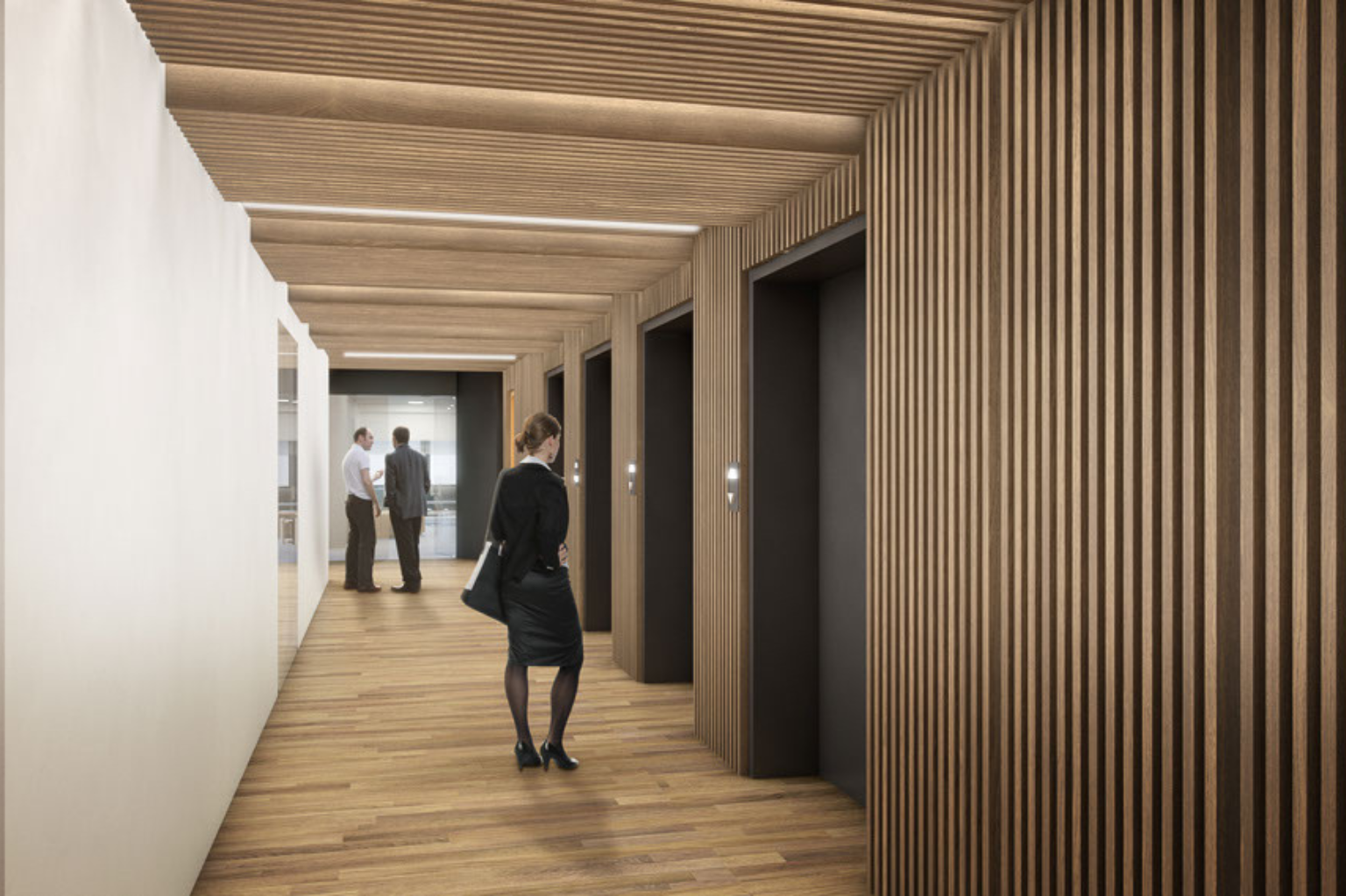
If you are the owner or director of a hotel establishment you already know: hotel acoustic conditioning is crucial to guarantee the comfort of your guests. Many hotels, hostels, inns, guest houses and similar types of accommodation suffer from high levels of reverberation and background noise. The most common reason is that hotel common areas (reception, lounges, corridors, etc.) usually have highly reflective materials, such as mirrors, ceramics or glass, which cloud the acoustics of the room. The solution lies in the acoustic conditioning of the hotel, which involves the study and installation of absorbent materials to ensure control of reverberation, thus guaranteeing the desired acoustic comfort. These materials should be seamlessly integrated into the design of the various hotel spaces without drawing attention to themselves. Spigogroup offers the widest range of wooden acoustic panels for hotel acoustic conditioning. These wood acoustic panels can be easily and conveniently installed on the ceilings and/or walls of each room, as needed to enhance the acoustics of each space. Additionally, wood is a warm and elegant material that discreetly adds a degree of distinction to the overall design of a hotel. Alternatively, if the hotel design requires it, these panels can also be used with finishes in any desired tone, texture, or color.         If you liked this post about hotel acoustic conditioning, you may also be interested in:     – Flexible wood slat cladding: so acoustics does not limit creativity – Spigogroup launches new wood slat cladding with PET felt insulation – The benefits of using wood panels in Passivhaus-certified projects – 5 reasons to use wood if you want to earn BREEAM certification        

Read More
reforma de una oficina DEST

The 3 big mistakes to avoid in office renovations

By Acoustics, Architecture, Construction, Decoration

Office renovation is a very important milestone in the history of your business. Offices are the places where all, or at least a large part, of the employees in an organisation carry out their work every day. It is also the place where customers and suppliers are received and where major decisions are made. That is why it is so important to take care of office design and avoid those three big mistakes that can significantly affect the well-being and efficiency of your employees.   Forgetting about acoustics After months of reform and a significant financial investment, the time has come for workers to return to the office. It is terrible to discover at that moment that the acoustics are deplorable and that the workplace, far from improving, has gotten worse. Acoustics must be taken into account from the beginning of the project. Plan the acoustic conditioning of the new office: analyze the dimensions and separations, and take into account the finishes used, as well as the furniture and people who will fill the different rooms each day, and install the acoustic panels that can guarantee the acoustic comfort you need.   Failing to ensure good lighting and warmth Natural light has been shown to increase productivity and job satisfaction, and incorporating warm elements, such as wood, helps create a welcoming and motivating work environment. Bet on the warmth of the wooden coverings on walls and ceilings and on the light effects of the wooden slats.   Failing to value perceived quality Perceived quality goes beyond aesthetics; It is about how employees and visitors experience a work environment and how it translates to the image they will have of the organization. Use noble materials such as solid wood, choose quality furniture, propose an intelligent arrangement of spaces and pay attention to details.       If you liked this post about office renovations, you may also be interested in:   – Installation of solid wood slat cladding using the GRID system – Wood ceilings for wineries: tradition and modernity in the great temples of wine – Why is wood one of the best materials for decorating and constructing buildings? – Definition of acoustic conditioning and soundproofing, what is the difference?    

Read More

What are wooden ceiling tiles? What options exist?

By Acoustics, Architecture, Construction, Decoration No Comments

We call wooden ceiling tiles those interior coverings made of wood and that allow, among others, the beautification of ceilings, the concealment of wiring or channeling and the control of the acoustics of a room.   Spigoacustic wood acoustic panels Spigoacustic is the system made up of linear sound-absorbent panels or acoustic panels designed to offer an optimum acoustic performance. It offers almost 30 models with different degrees of acoustic absorption. In their face side they are made of an MDF support with a sound-absorbing veil thermo-adhered to its hidden side. At sight, they present combinations of channels with circular perforations and finishes in varnished natural wood, high-density veneers or lacquered. See Spigoacustic         Spigotec wood false ceilings Spigotec is the brand of wooden ceiling tiles designed for the installation of false wood ceilings. They serve to keep conduits, pipes and cables hidden, and are used in acoustic conditioning projects. You can choose from more than 40 different models. See Spigotec         Spigoline wood slat cladding Spigoline offers solid wood slat cladding for ceilings or walls, an option that is increasingly in demand due to its high aesthetic impact on any project. In this case, rather than plates, we are talking about grills of parallel wooden slats joined together. Its catalog includes 70 models, some with acoustic absorption capacity. See Spigoline         Spigoplank decorative wood panels Spigoplank offers solid wood panels for ceilings and walls, with volumetric shapes and highly decorative three-dimensional surfaces and with reflective and sound-diffusing capabilities. See Spigoplank       If you liked this post about wooden ceiling tiles, you may also be interested in:   – Acoustic panels for courts and the importance of acoustics in a judicial process – Performance of flame retardant wood panel cladding when exposed to fire – The acoustics of love and why you should use acoustic panels in your restaurant – What are wood removable ceilings?    

Read More

Artificial intelligence and architecture: 5 AI tools for architects

By Architecture, Construction, Decoration, News No Comments

Today we bring you the five most advanced AI tools for architects: five examples of how artificial intelligence and architecture have joined paths for good. And please remember that, when you use these tools and you need the technical data of the acoustic panels, interior cladding or any of the Spigogroup wood solutions, all you need to do is visit www.spigogroup.com or ask us at comercial@spigogroup.com.   ARCHITEChTURES ARCHITEChTURES is a powerful building design platform based on Generative AI. It quickly designs buildings according to geographical conditions and climate, adapting to the budget and previous needs of each client and allowing the download of an initial standardised BIM model from which to continue with your traditional work. www.architechtures.com/es ARCHITEChTURES AI-Powered Building Design 2023 from Architechtures on Vimeo.     Sidewalk Labs Sidewalk Labs is one of the best artificial intelligence tools for urban planning. It is the brainchild of Google. It combines artificial intelligence, machine learning and sensor technologies to optimise the performance of a building and its environment: energy efficiency, comfort and safety, traffic patterns, air quality, noise levels… www.sidewalklabs.com     arkdesign.ai This AI allows you to optimise a building’s design leveraging architectural design metadata, taking into account density and searching for the most cost-effective configurations among infinite variations. www.arkdesign.ai     BricsCAD BIM This is an assisted BIM tool that improves the design process, promotes collaboration between architects and ensures the delivery of high quality buildings. www.bricsys.com/es-es/bricscad-bim     Autodesk Forma Autodesk Forma harnesses the power of AI to simulate the implications of various design decisions on critical factors such as energy consumption, traffic flow and air quality, helping to create more sustainable and liveable projects. www.autodesk.es     If you liked this post about AI tools for architects, you may also be interested in:   – Installation of solid wood slat cladding using the GRID system – Wood ceilings for wineries: tradition and modernity in the great temples of wine – Why is wood one of the best materials for decorating and constructing buildings? – Definition of acoustic conditioning and soundproofing, what is the difference?

Read More